
In short
- Under MoRTH Clause 201, clearing and grubbing is the cutting, removal and disposal of trees, bushes, stumps, roots, grass, rubbish and top organic soil to an average depth of 150 mm, ahead of earthwork.
- It is measured by area, in hectares. Trees up to 300 mm girth are included in that area item.
- Trees above 300 mm girth are counted by number in four girth classes, with stump and root removal as a separate numbered item.
- No tree or stump may be left within 500 mm of the bottom of the sub-grade, and the pits left by uprooting are backfilled and compacted.
- Roots and organic soil left under an embankment decay and settle. The saving at the start comes back as a soft spot under the finished road.
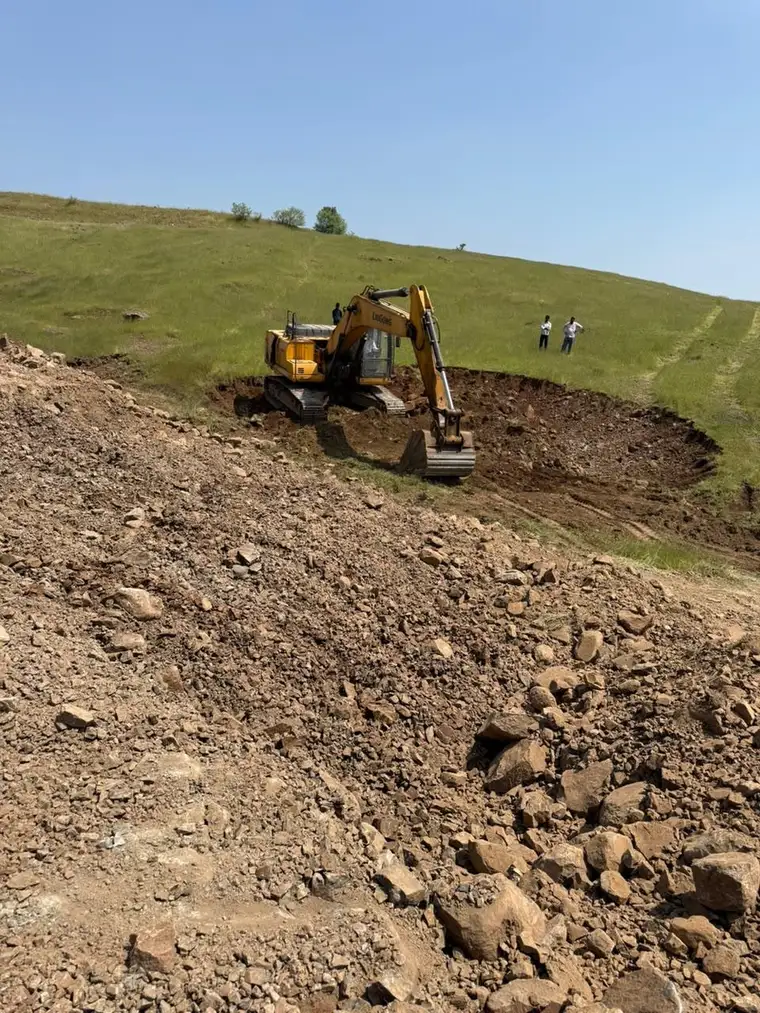
Before a single layer of embankment goes down, the corridor has to be stripped of everything that would rot, hold water or get in the way. That work is clearing and grubbing. Clearing is what happens above the ground: trees, bushes, grass and rubbish cut and removed. Grubbing is below it: stumps and roots dug out.
MoRTH Clause 201 defines the item as cutting, removing and disposing of trees, bushes, shrubs, stumps, roots, grass, weeds, rubbish and top organic soil to an average depth of 150 mm, from the road land that will carry the embankment, drains and cross-drainage structures. It is measured in hectares. The detail matters at billing, so here it is point by point.
What Clause 201 covers
| Item | What Clause 201 says |
|---|---|
| What is removed | Trees, bushes, shrubs, stumps, roots, grass, weeds, rubbish and top organic soil |
| Depth | An average of 150 mm |
| Where | The road land containing the embankment, drains and cross-drainage structures |
| When | Ahead of the earthwork |
| Stumps and roots | Inside the excavation and fill lines, cut so that none falls within 500 mm of the bottom of the sub-grade |
| Pits from uprooting | Backfilled and compacted as required. Included in the item |
| Ant-hills | Those liable to collapse are removed and their workings treated |
| Unit of measurement | Area, in hectares |
| Trees up to 300 mm girth | Cutting and stump removal are incidental to the area item |
| Trees above 300 mm girth | Counted by number in girth classes. Stump and root removal is a separate numbered item |
| Borrow areas | Clearing them is not paid separately |
MoRTH Specifications for Road and Bridge Works, Fifth Revision (2013). Specifications are revised and contracts amend them, so the bill of quantities and technical schedule of your own agreement govern.
How trees are counted
The 300 mm figure is a girth, the distance round the trunk, not a diameter. It works out to a trunk about 95 mm across, so only saplings and thin poles disappear into the hectare item. Anything thicker is a countable tree.
Girth is measured 1 m above the ground, or at the top of the stump where the stump is shorter than that. Trees above 300 mm are counted in four classes: 300 to 600 mm, 600 to 900 mm, 900 to 1,800 mm, and above 1,800 mm. Cutting is one item and removing the stump and roots is another, in the same classes. A joint count with the Engineer's staff while the trees are still standing leaves much less to argue about than a row of stumps.
How the area is measured
The item is paid by area in hectares. As an illustration, a strip cleared to a width of 60 m covers 6 hectares for every kilometre: 60 m x 1,000 m is 60,000 m2, and a hectare is 10,000 m2. The width is whatever the drawings show as needing clearance, which is not always the full right of way.
What the item does not include
- Permission to cut. A tree is not free to fell because it stands inside the right of way. Permissions from the forest department and other authorities are needed before cutting, they run separately from the construction contract, and they are often what decides when clearing can start.
- Utilities. Electric poles, water lines and cables are shifted under arrangements with the agency that owns them. They are not grubbed out.
- Structures. Dismantling existing buildings, culverts and pavements is not in the Clause 201 list. Look for it as an item of its own in the bill.
Order of work on a corridor
- Set out the limits of clearing from the drawings and peg them.
- Make the joint tree count by girth class.
- Confirm that the felling permissions cover the trees marked.
- Fell and remove the trees, then the bushes and scrub.
- Grub out stumps and roots with an excavator, and backfill and compact the pits.
- Strip the top organic soil to the specified depth and stockpile what will be reused.
- Dispose of the rest as the contract directs, and hand the cleared ground over for levels and earthwork.
An excavator does most of this. Ours are the same machines that go on to cut and build the embankment, with backhoe loaders for the smaller grubbing and tippers to carry the arisings away. Clearing is the first line of our earthwork service for that reason: the corridor does not sit between one gang leaving and the next arriving.
Why poor grubbing shows up later
Roots, stumps and organic soil are not stable material. Buried under fill they decay, and the space they held becomes a void that the embankment settles into. Organic topsoil holds water and compresses under load. Neither fails a density test on the day, because the test is taken in the layer above.
That is the reason for the 500 mm rule and for compacting the pits. A stump hole filled loose with whatever was lying nearby is a soft spot that the first roller pass bridges and the first monsoon finds. The sub-grade above will be tested to 97% of MDD. The ground beneath deserves at least a walk-over before it is covered. Embankment and sub-grade compaction starts from that surface.
Topsoil is worth keeping
The organic soil that has no place under the road is what the finished slopes need. Stripped topsoil kept to one side can be spread back on embankment slopes to carry turf, which protects the slope from rain cuts. The earthwork section of the MoRTH specification (Section 300, under Clause 305) limits topsoil stripping to a depth of not more than 150 mm and stockpiles to not more than 2 m high. Show the heap on the cut and fill plan so nobody hauls it to spoil.
The same job opens a quarry
Clearing and grubbing has a twin on the quarry side. Before a face can be drilled, the vegetation and soil over the rock come off in the same order: clear, grub, strip, stockpile. The difference is depth. A road corridor loses 150 mm. A quarry loses everything down to sound rock, and the overburden moved for every tonne of stone helps decide whether the lease is worth working. Opening a quarry face follows that sequence through to the first tonne, and overburden and stripping ratio deals with the arithmetic.
Standards and sources
- MoRTH Specifications for Road and Bridge Works, Fifth Revision (2013), Clause 201: Clearing and Grubbing
- MoRTH Specifications for Road and Bridge Works, Fifth Revision (2013), Section 300: topsoil stripping depth and stockpile height (Clause 305); sub-grade compaction (Table 300-2)
- Excavator, backhoe loader and tipper fleet: SM Infra's own operating record
Your contract and its technical schedules override anything written here. Check the clause before you build to it.